
Fertilizers

Image

An Overview

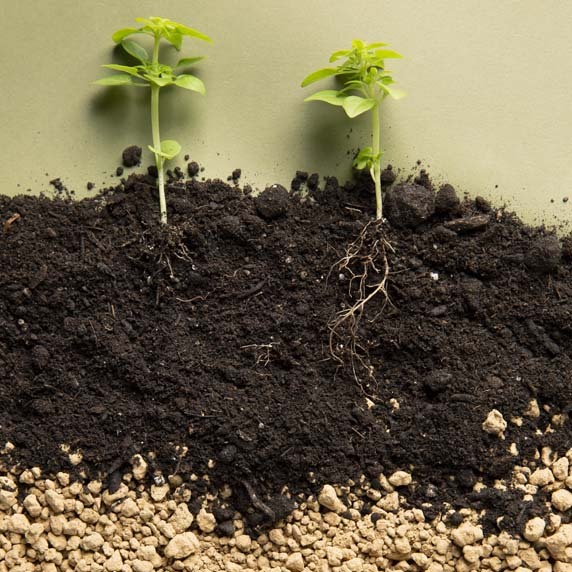
Fertilizer is a substance added to soil or plants to supply essential nutrients that promote growth and improve agricultural productivity. Fertilizers provide nutrients that are naturally present in the soil in insufficient quantities or are depleted due to continuous cropping, weathering, and other factors.

Types of Fertilizers

  • Organic Fertilizers
  • Inorganic (or Synthetic) Fertilizers

Organic Fertilizers

  • Derived from natural sources such as animal manure, compost, bone meal, and other organic matter.
  • Inorganic (or Synthetic) FertilizersOrganic fertilizers not only provide essential nutrients like nitrogen, phosphorus, and potassium but also improve soil structure and increase its ability to retain water and nutrients.

Inorganic (or Synthetic) Fertilizers

  • Made from chemical compounds and are specifically formulated to provide a concentrated source of nutrients.
  • Common synthetic fertilizers include urea, ammonium nitrate, and superphosphates.
  • They are designed to release nutrients quickly or slowly, depending on their composition, to meet the immediate or long-term needs of the plants.
CATEGORY OF FERTILIZERS

Fertilizers are typically categorized based on the nutrients they provide:

01

Macronutrients

These are nutrients required by plants in large amounts. The primary macronutrients are nitrogen (N), phosphorus (P), and potassium (K), often referred to as NPK. These elements are vital for processes such as growth, photosynthesis, and the development of roots, flowers, and fruits.

02

Micronutrients

These are required in trace amounts but are equally important for plant health and growth. Micronutrients include iron (Fe), manganese (Mn), zinc (Zn), copper (Cu), molybdenum (Mo), boron (B), and chlorine (Cl).

03

Secondary Nutrients

These include calcium (Ca), magnesium (Mg), and sulfur (S), which are also essential but needed in smaller amounts compared to the primary macronutrients.

Fertilizers play a crucial role in modern agriculture by replenishing nutrients in the soil, increasing crop yields, and supporting sustainable farming practices. However, their use must be carefully managed to prevent potential negative effects on the environment, such as soil degradation, water pollution, and greenhouse gas emissions.

TYPES OF SPECIALIZED FERTILIZERS

Controlled-Release Fertilizers and Liquid Fertilizers are specialized types of fertilizers designed to meet specific agricultural needs and improve nutrient efficiency.

Image

Controlled-Release Fertilizers(CRFs)

Controlled-release fertilizers are designed to release nutrients gradually over an extended period, matching the nutrient uptake needs of plants. They are typically coated with materials like polymers, sulfur, or resins that control the rate at which the nutrients are released into the soil.

  • How They Work: The coating of the fertilizer granules controls the nutrient release based on factors such as temperature, moisture, and microbial activity. This slow release ensures that nutrients are available to plants when they need them the most, minimizing nutrient loss due to leaching, runoff, or volatilization.
  • Reduces the frequency of fertilizer application, saving time and labor.
  • Improves nutrient use efficiency by providing a steady supply of nutrients.
  • Minimizes the environmental impact, such as water pollution from nutrient runoff.
  • Enhances plant growth by preventing nutrient surges that could potentially harm plants.
  • CRFs are often used in high-value crops, turf management, horticulture, and ornamental plants where precise nutrient management is important.
Image

Liquid Fertilizers

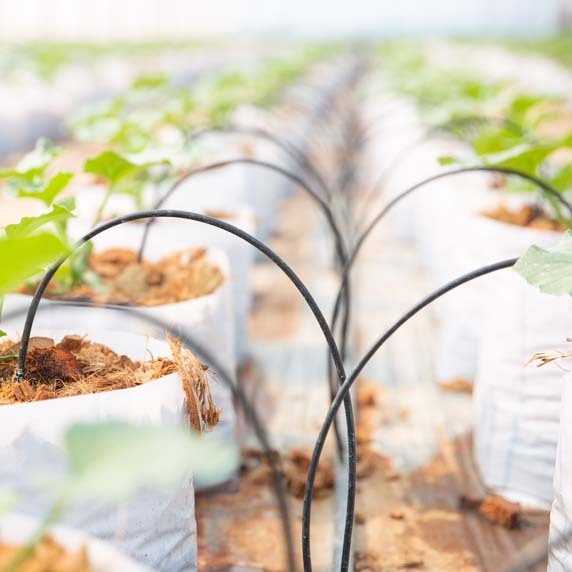
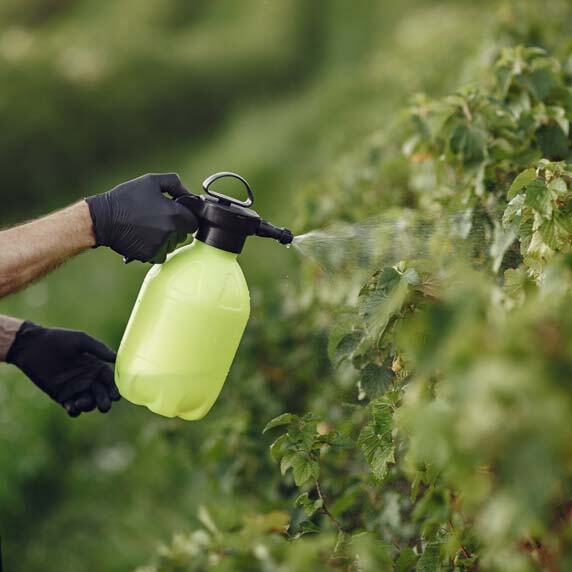
Liquid fertilizers are nutrients dissolved in water and applied directly to plants or soil in liquid form. They can be delivered through various methods, including foliar spraying, fertigation (adding fertilizer to irrigation water), or soil drenching.

  • How They Work: Liquid fertilizers provide immediate availability of nutrients to plants, as they are already in a dissolved form and can be easily absorbed by the plant roots or leaves. They can be applied uniformly and are often used to quickly correct nutrient deficiencies.
  • Offers rapid nutrient delivery and quick plant response, which is ideal for correcting deficiencies or providing nutrients during critical growth stages.
  • Allows for precise application rates and even distribution, reducing waste.
  • Can be combined with pesticides or herbicides for simultaneous application, saving time and effort.
  • Ideal for use in drip irrigation systems and hydroponic setups.
  • Liquid fertilizers are widely used in both conventional and organic farming, particularly in hydroponics, greenhouse crops, and drip irrigation systems. They are also popular for lawn and garden care.